The house
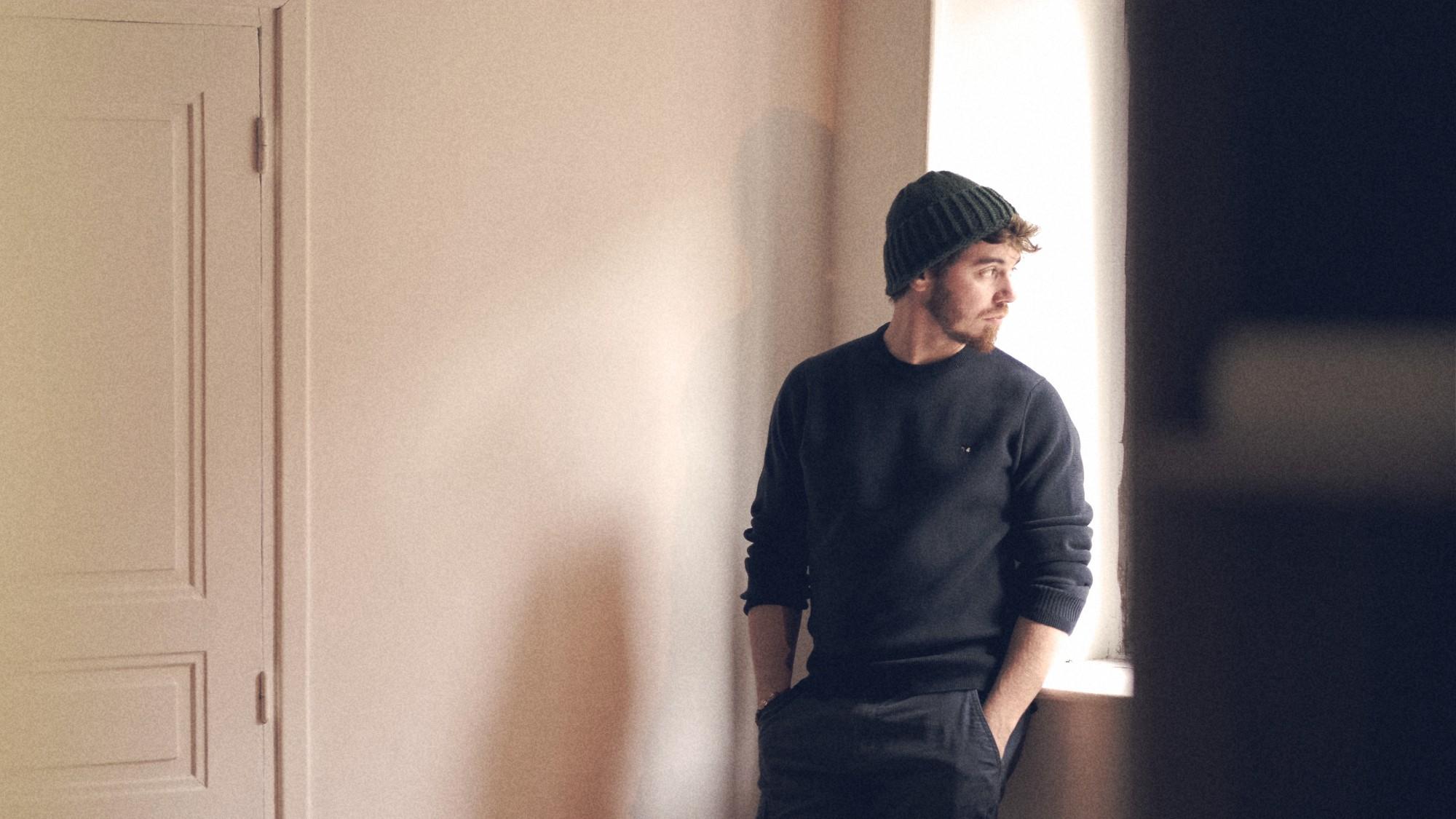
Maxence Pereira, the author
Engineer, designer and artist · Founder of the GRACZ workshop
Drawn fine.
Made to stand the test of time.
A beautiful piece, true curves, work done well.
The same flat steel bar
From the front, it is a 4 mm line. From the side, it is a 30 mm bar. A GRACZ screen has something of both.
4 mm
From the front
What the house loves.
- fine
- discreet
- elegant
- pared-back
30 mm
From the side
What Maxence loves.
- sturdy
- timeless
- raw
- practical
The story
Maxence Pereira is an industrial engineer. He has designed machines, robots and a 3D printing process for metal. He has always liked well-made objects, the kind that last and are handed down.
A screen is looked at every day. It divides a room without closing it. It lets the light through and draws shadows that move with the hours. An object so present has to be right.
A screen is often cut from a steel sheet, by laser. A GRACZ screen is bent from a flat steel bar, curve after curve. Why bring from far away what a workshop can make here?
In 2023, Maxence opened the GRACZ workshop in Auvergne, to make what he draws himself. Each screen is made there to order, then numbered. It is made to last, and to be handed down.
The workshop
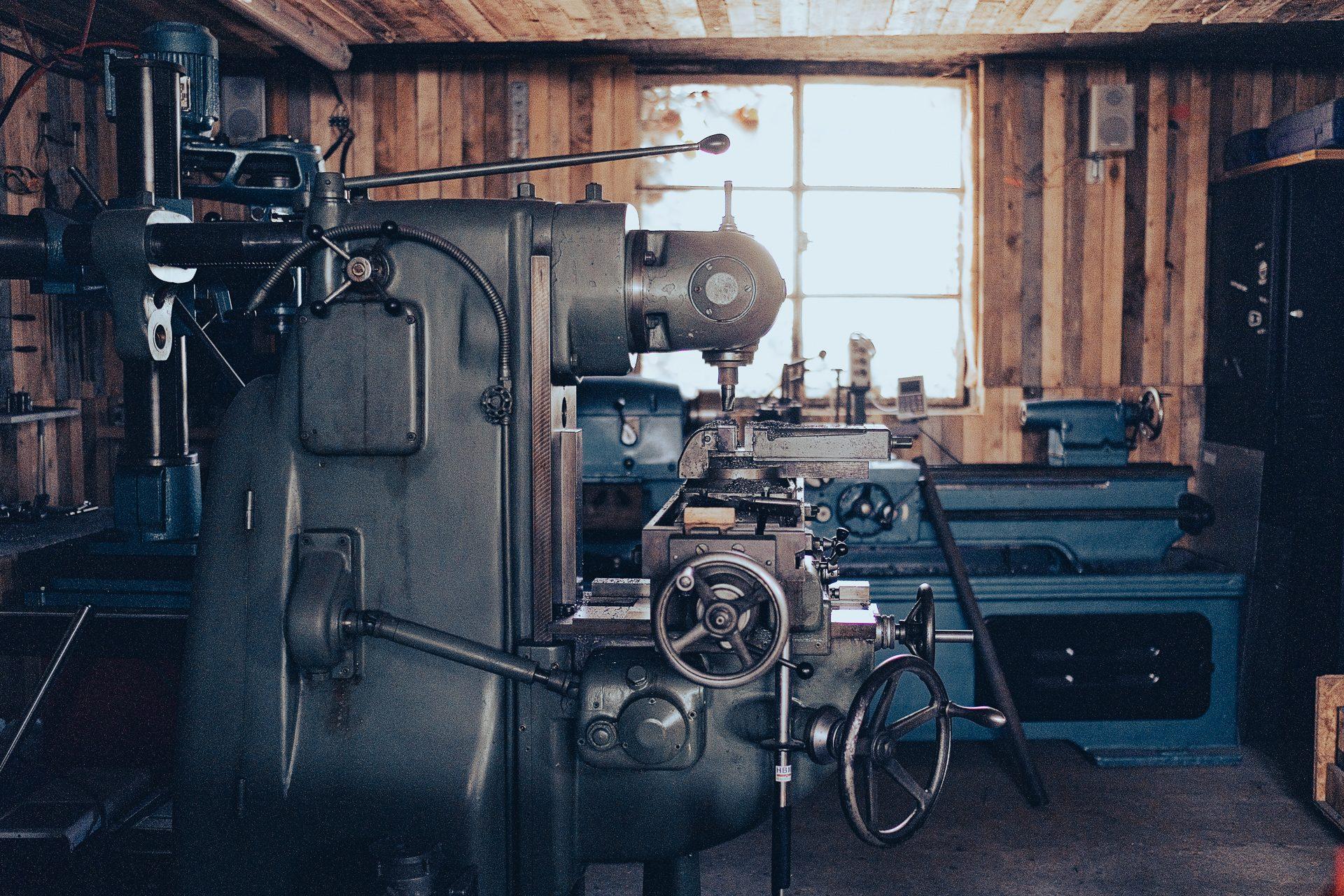
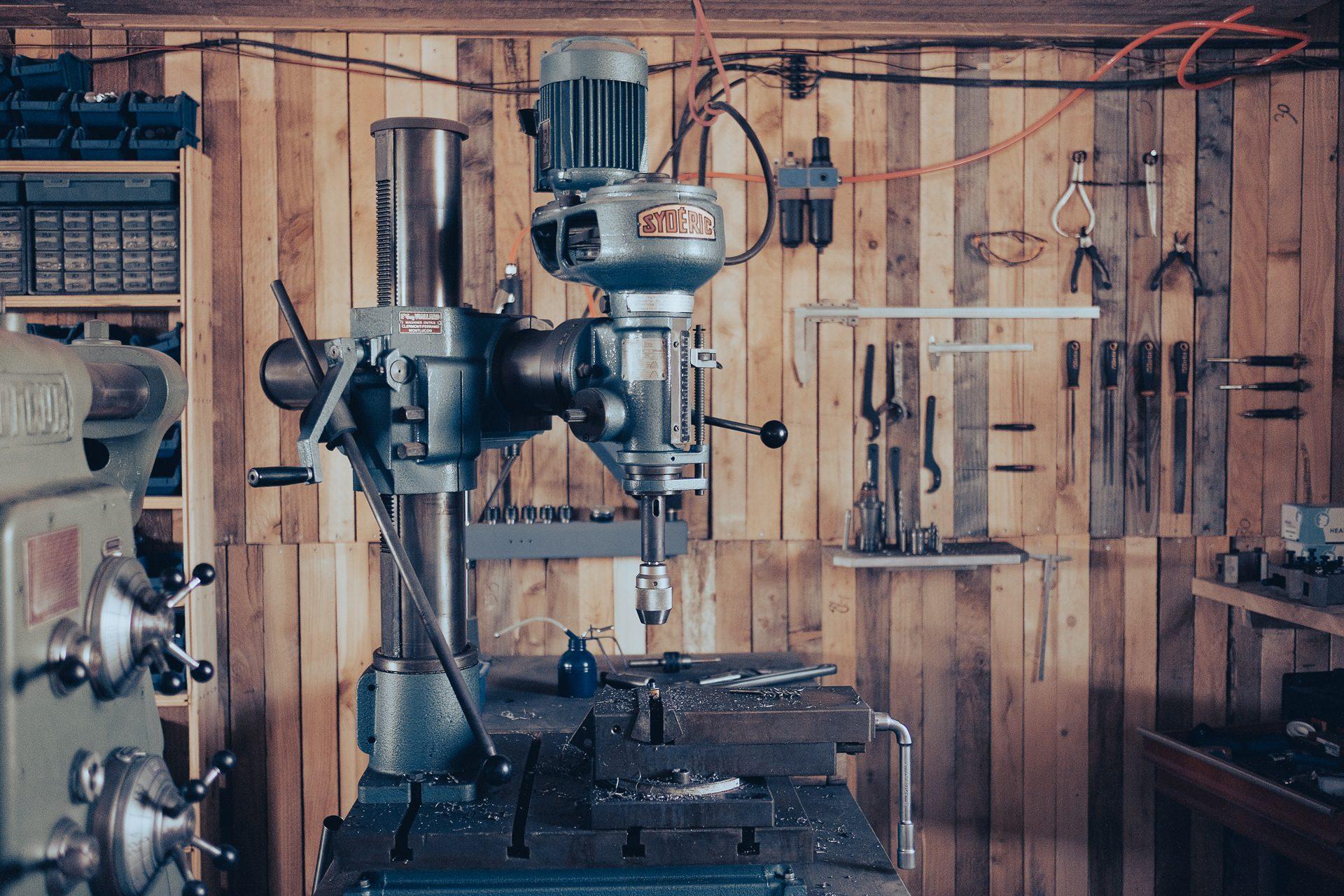
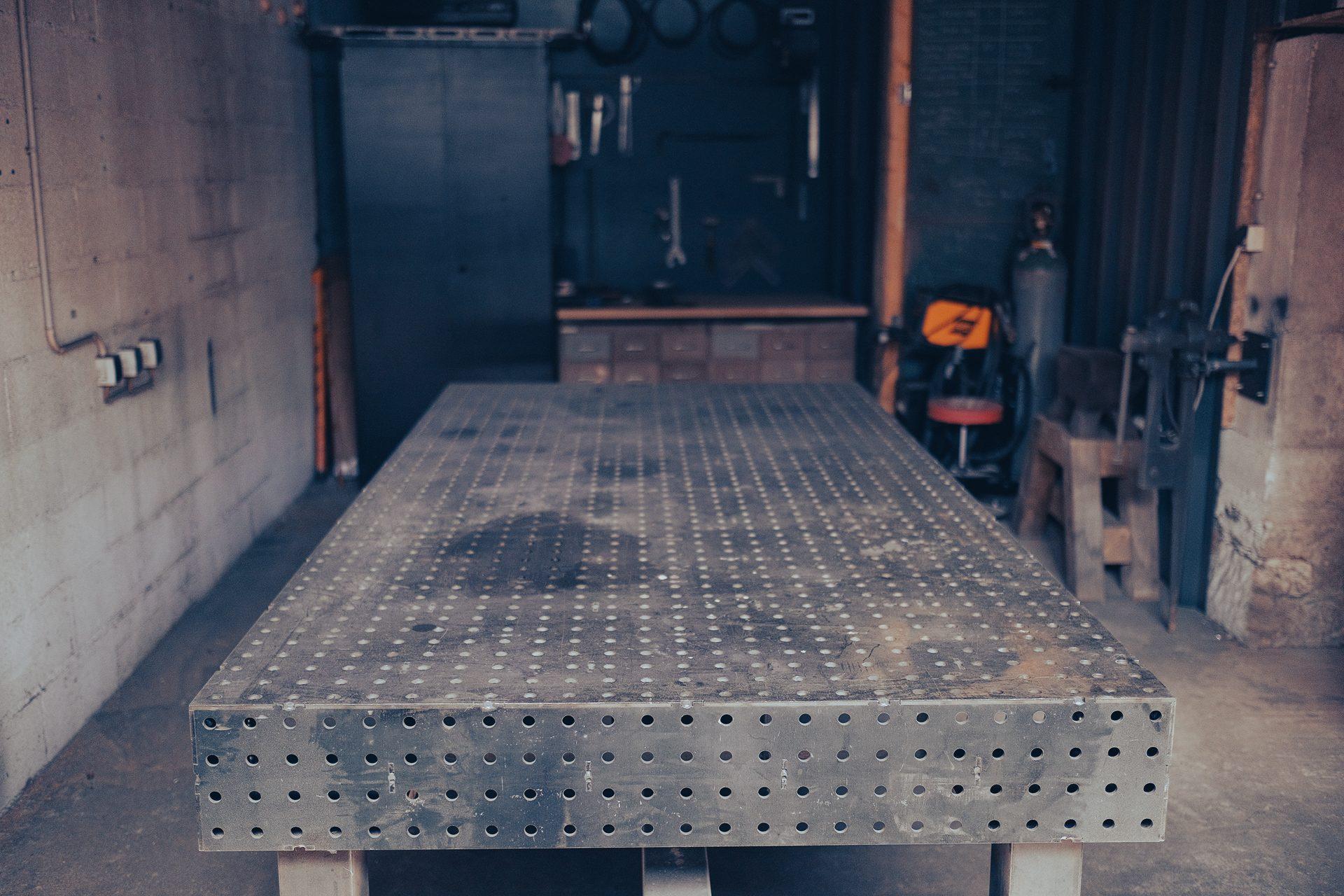
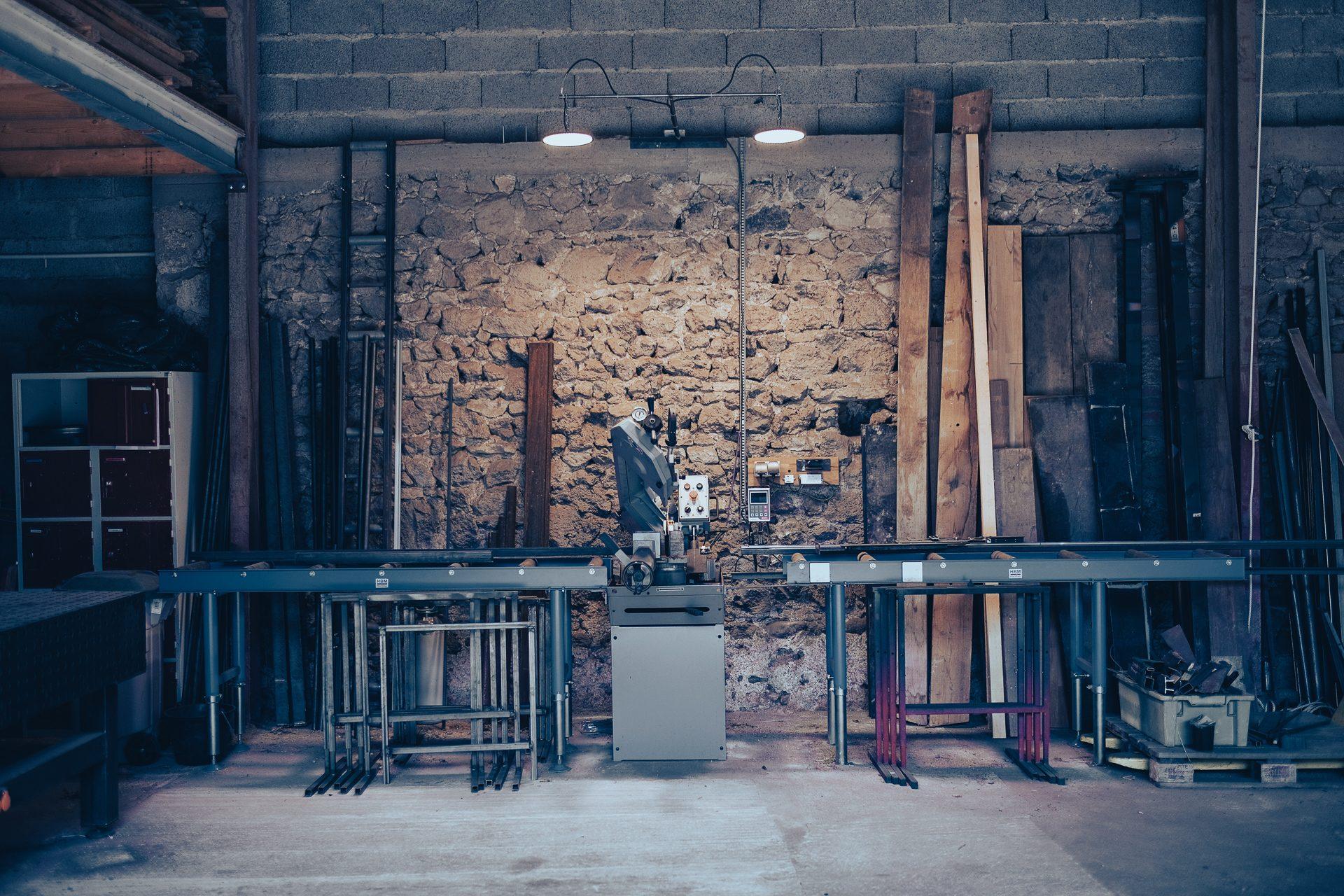
The GRACZ workshop is in Auvergne. Stone walls, timber cladding, old machines kept in good order. A design office calculates each piece, the workshop makes it. The workshop can be visited by appointment.
Three principles



A simple line
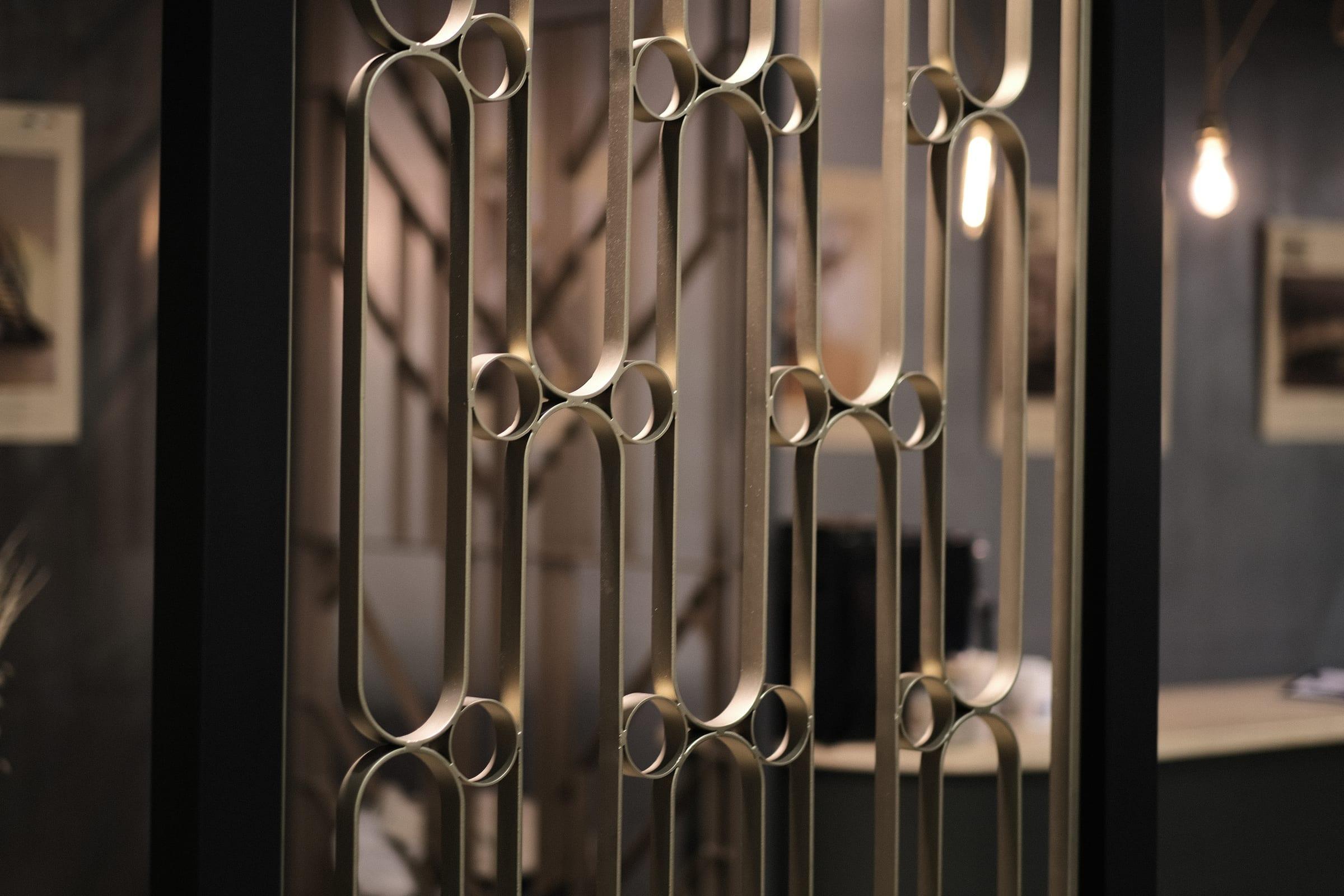
Maxence starts from a few forms: the medallion, the spindle, the oblong. He reworks them until every curve falls true. His drawing stands between Art Nouveau and Art Deco: the curve of one, the order of the other. A hesitant line shows. He starts again until it no longer hesitates.
The flat steel bar
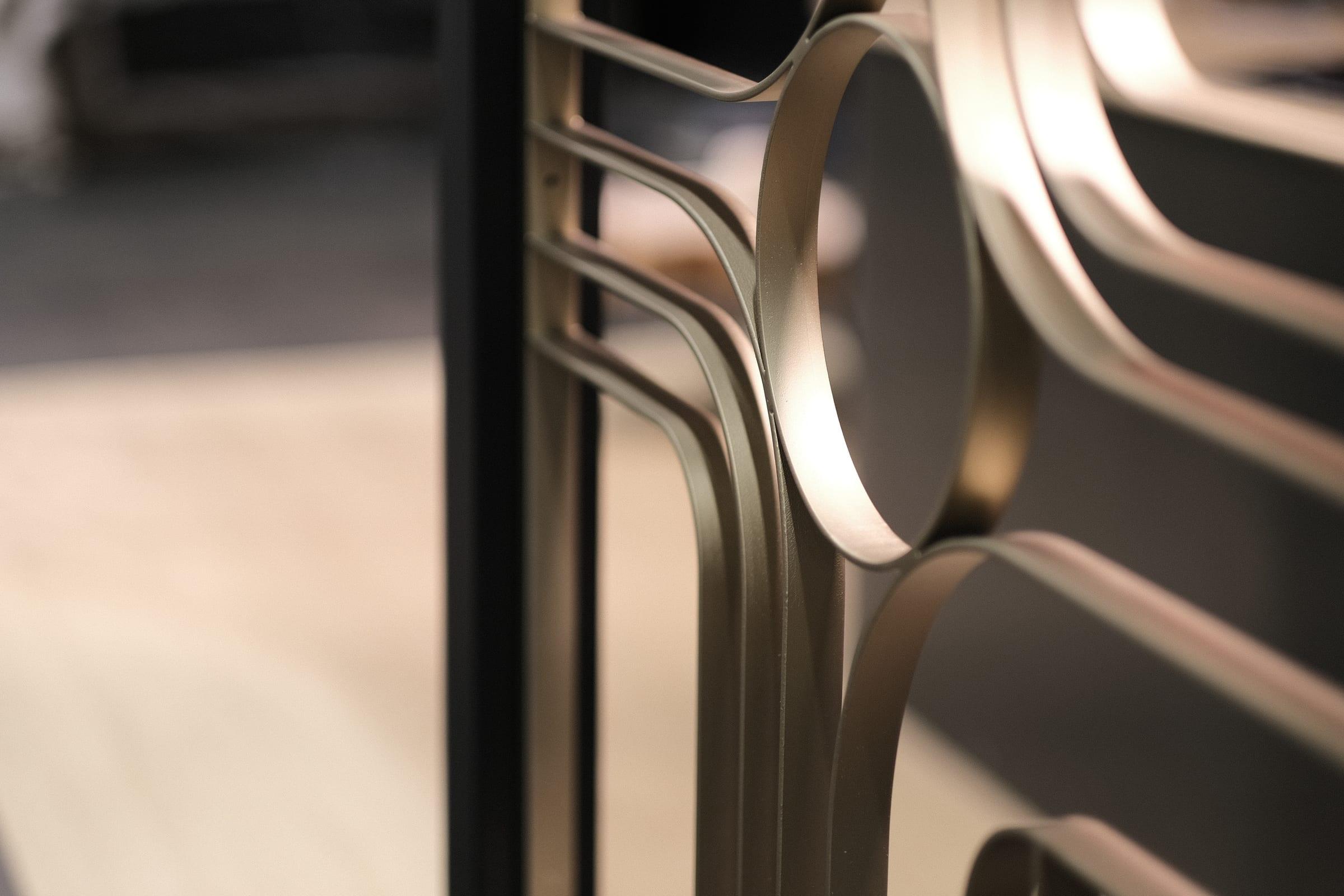
Each piece begins as a flat bar of metal, cut and bent at the workshop. Set on edge, it catches the light and gives the drawing its depth. The finish covers the whole piece in a single tone.
Work done well
Each curve is checked by eye and by hand. Each weld is dressed until it disappears. Nothing is rushed. A piece leaves the workshop when it is right.
N°1/ 150
The numbered edition
Each model is published in a numbered edition. Your screen carries its number, engraved on a brass plate.
The associated artists
On the medallion models, the medallion can hold a disc made by an associated artist. Each disc carries its own numbering.
Sonia, Sanson Cuir
Sonia is the first artist associated with GRACZ. She works leather in Aydat, near Clermont-Ferrand, in Auvergne. She treats it as a surface, a relief, an expressive material. Her pieces dress walls, furniture and tables, as one-offs or in small series. Her style is restrained, her finishes precise, her pieces made to last. Her first collaboration with the GRACZ workshop is in preparation.
Write to the house
For a piece, a project, a workshop visit or press enquiries: write to us.